

REAL ESTATE RESOURCES & MORE

3 Fun Things to Try in Davison, Michigan
Davison, Michigan is a quiet little town that is home to the sweetest communities, and they’ve made Davison a quiet force to be reckoned with. With a rich history and great culture to discover, you only need to say “yes” and experience what it offers!
Davison, Michigan may not hold the same iconic attraction of New York, nor Washington’s seat of power. It’s a quiet little town that is home to the sweetest communities, however, and they’ve made Davison a quiet force to be reckoned with. With a rich history and great culture to discover, you only need to say “yes” and experience what it offers. It’s also home to rolling hills and panoramic views, making it the perfect place for quiet drives, exhilarating adventures, and family bonding.
If you’re thinking about moving to Michigan soon, or wondering “what to do in Davison, MI?,” or simply need a weekend getaway, here are some of the best things the city in Genesee County has to offer:
Activity #1: Walk along Davison’s very own farmer’s market
Located in E Court St., the Davison Farmer’s Market is the perfect place to get home-produced items, including produce, plants, fruits, vegetables, baked goods, and so much more. There are also craft items available, meaning that you’ll find unique pieces to take home with you as souvenirs.
The Farmer’s Market is open all year every Tuesday, Thursday, and Saturday, from as early as 8:00 AM and ending at 6:00 PM. They welcome families warmly, so don’t hesitate to bring your children along! Bring a basket or two—you likely won’t be leaving without goodies.
Activity #2: Sit down and go crazy with your friends and family at the Card Table Republic
Located in Davidson Rd., The Card Table Republic is home to over 900 games, from board, card, and dice games. The selection may seem overwhelming, but don’t worry—you’ll have plenty of time. Enjoy the following class games:
Cards Against Humanity
Monopoly
Battleship
Trouble
Scrabble
Pandemic
And so much more!
Fees only come to an incredible $7 per person for all-day access, while 90 minutes will cost you $5 per head. You can regain energy and hydration through the snack bar, offering various tasty dishes for you to enjoy. In need of a little more privacy? Don’t fret—they have rentable space available!
Activity #3: Be one with nature at the city’s campground and beach area
Located at N. Baxter Rd., Wolverine Campground & Buttercup Beach is an adventure waiting to happen. If you’ve been craving for a little more outdoor experience, they’re got you covered. You’ll be able to enjoy 2,000 acres of the Holloway Reservoir, which is nestled in picturesque pine forests.
Bring out a tent and sleep on the earth or sandy shores, but for those scared of grime and dirt, amenities are readily available for use. There are modern showers and restrooms situated in camping sites, along with a dump and electric sites. For a more luxurious stay, you can head to the beach and rent a boat!
Enjoying Davison At Its Finest
Davison may seem like a quiet part of Genesee County, but there’s a reason why locals and tourists alike continue to fall in love with the land. With so much nature to witness, local communities to connect with, and bonding opportunities to experience, it’s no wonder why people choose to eventually relocate to the County. Apart from the various loveable things, the city is also home to the most affordable costs of living.
If you’re interested in exploring homes for sale in Davison, MI, allow Smith Street Homes to assist. As experts of Genesee County, we know how to help make your dream a reality. Allow us to find your home, build your home, and everything in between—we’ve got you covered. Reach out to us today!

3 Reasons to Live in Genesee County
Genesee County might not have the hustle and bustle of New York City, or the dreamy sunshine of southern California, but its quiet nature is exactly what makes it a suitable place for settling in. It’s a region of Michigan, boasting an exciting yet quiet life, which is the perfect mix of hustle and coziness.
Genesee County might not have the hustle and bustle of New York City, or the dreamy sunshine of southern California, but its quiet nature is exactly what makes it a suitable place for settling in. It’s a region of Michigan, boasting an exciting yet quiet life, which is the perfect mix of hustle and coziness. It boasts of a real sense of community, especially in trying times. You’ll find not just a living place in Genesee County but a home, where the locals make you feel like a part of a huge family.
Apart from the welcoming community, you also have a chance to experience a historically-rich place. If you wish to move to Genesee County soon, but need more reasons to do so, we’re here to help. Without further ado, here are three undeniable reasons to find your next home or real estate property in Genesee County.
1- Budget-Friendly
If you’re worried about maxing out your budget, fret not—Genesee County is incredibly easy on relocation, as most living costs are well below the national average. Utilities hover right into the average level, sometimes going beyond, but you’ll have no trouble when it comes to food and your other necessities.
That said, groceries will be easy to do, and transportation is readily available for the locals. You’ll perhaps have room for renovation costs upon arrival, but be wary of utility bills! Water in the city can be more costly, which can sometimes run up to $100 per month. To save on water bills, it’s best to shorten your shower times and set some water rules!
2 - Rich in Culture
Settling into Genesee County will be difficult at first, as with all moving processes. You’ll find that the locals will help ease the moving anxiety, however, especially if you discover the cultural side of the area. It’s often overlooked, but you’ll have access to the Buckham Gallery or the Flint Institute of the Arts. It caters to music lovers, as the Folk Music Society regularly holds concerts for only minimal fees. If you have children, the Longway Planetarium is a treat, especially during the holidays.
If you want to immerse yourself in its unique history, however, the Crossroads Village is the place to go. You’ll have access to the Huckleberry Railroad and other seasonal attractions, all of which can help you understand the County better.
To top off your fun and exciting adventures, countless dining options are available. Cork on Saginaw is one of the crowd favorites, as with Signature Chop House, and the Ciao Italian Bistro & Wine. When it comes to food, Genesee County will always deliver.
3 - Accessible Real Estate
Genesee County is also renowned for its accessible real estate, as it offers affordable housing in various areas. If you’re working with a tight budget, you’ll find reasonably priced homes, inexpensive apartments, and the most affordable rental rates. You’ll also have access to a mobile home community, where amenities are unparalleled for the prices offered.
You can also choose from a variety of neighborhood options, ranging from family-oriented, upscale areas, and even local and tight communities. Investing in the County has never been easier, especially if you’re looking for a perfect place to settle down and start a family.
Finding Your Dream Home
The benefits of living in Genesee County are undeniable and you’ll find that its residents are kind, its culture is welcoming, and its amenities are attractive. It offers you a quiet and affordable atmosphere, with a steady blend of adventure and stability.
Genesee County is a huge area, and you’ll need help locating the perfect home. For the best real estate agents in Genesee County, MI, Smith Street Homes has you covered. We are local Genesee County experts when and we’re here to make sure that you make the right choices and find a home you can call your dream. Reach out to us today.

9 Factors to Consider in Home Down Payment Assistance
Certain homebuyers might be surprised to find out from their real estate agents that they are qualified for down payment assistance. Depending on where you live, different programs are likely to have different requirements and qualifications. You might find that your dream home is closer to your reach than you thought.
Certain homebuyers might be surprised to find out from their real estate agents that they are qualified for down payment assistance. Depending on where you live, different programs are likely to have different requirements and qualifications. You might find that your dream home is closer to your reach than you thought.
In this article, we have compiled advice and information from real estate agents and other experts in the industry to help you navigate and understand these programs, so you can make better and more informed decisions about your home-buying endeavor.
What Program Administrators Take Into Account
Lenders, program administrators, and financial institutions generally use similar metrics for eligibility. You might have guessed at quite a few of them already, but here they are nevertheless.
1. Income
Such programs are likely available to people with lower income—at around 80% of the local median income. Some programs might be more flexible, allowing for income up to 120% of local median income.
2. Creditworthiness
The minimum credit score for such programs ranges from 620 and higher. Some may have minimums as high as 660 to 680, but these might have better options and rates.
3. Debt-to-income ratio
Your program of choice might have restrictions on the buyers’ debt-to-income ratio (DTI). The DTI is the percentage of monthly debt payments expressed as a percentage of monthly income. The typical minimum for institutions that restrict the DTI is about 43%, which is what a typical mortgage lender would require as well.
4. Property price
Home down payment assistance programs are generally strict about limiting the price of the property you can buy. They are likely to set the price for the program around the median price of homes in the area, if not a little bit more.
5. Prior homeownership
Many of these programs are limited to first-time homebuyers, but this term is sometimes defined loosely by administrators. If some years have passed since you last owned a home you may be able to regain first-time buyer status.
6. Occupancy
The agreement you make with the institutions offering these programs will likely require that you live in the home for a few years. Financing might also be available for small multi-family properties of up to four units or families, if only if you will be occupying one of the housing units.
7. Education
First-time buyers are sometimes required to take homebuyer education courses. It is to help new buyers discover other options they might be qualified for as well.
8. The time of year
There is a bit of seasonality when it comes to these programs. They tend to be more readily available and easier to obtain in the fall (the start of the fiscal year) than in the spring and summer. It might be advantageous to time your endeavor to purchase a home around this time.
9. The pandemic
This is a consideration that is more the homebuyer’s than it is for the program administrators. You might be concerned about the status of these programs given the current situation, but fear not. These programs are running as normal, except that your homebuyer education might be held in a virtual classroom.
Final thoughts
If you have a lower income and a lower credit score, do not fret. There are plenty of down payment assistance programs that might be available to you. Just make sure to consult your local real estate agent about your options. By a certain point in the future, you might just be living in your dream home.
If you’re looking for a real estate agent in Genesee County, MI, send us at Smith Street homes a message. Your home is just a few steps away if you work with us.

5 Questions to Ask Before you Hire a Real Estate Agent
Buying real estate is a considerable long-term investment, which will dictate what your financial standing will be for the next few years. Unlike trying out new appliances, you can’t go back on your contract and return it to the store. This is why potential homebuyers need an experienced real estate agent to help them make the right decisions.
Buying real estate is a considerable long-term investment, which will dictate what your financial standing will be for the next few years. Unlike trying out new appliances, you can’t go back on your contract and return it to the store. This is why potential homebuyers need an experienced real estate agent to help them make the right decisions.
How to Find the Perfect Real Estate Agent
Depending on your real estate agent’s capabilities, you can end up spending less and gaining more with your home’s purchase. However, it can be challenging to determine which agent or firm you should work with since they use compelling marketing strategies. As a smart consumer, you need to learn how to separate those who are all talk from those who are worth your time.
If you don’t know how to trim down your options, here are five questions you should ask before you hire a real estate agent:
1. Are you familiar with this local market?
The main reason to look for a real estate agent is to find someone familiar with the local market for the property of your choice. This is a person who can help you know the ins and outs of the property listings available so that you can get the best deal possible.
2. Do you have a real estate license?
Although this seems obvious, there are plenty of real estate agents who work without a license. They achieve this by learning everything there is to know about the industry’s shortcuts without being legally a part of it. These people may have the skill to talk you into a sweet deal, but they don’t have the credentials to back you open once you face difficulties with your contract.
3. How long have you been in the industry?
Experience plays a crucial role in whether your prospect knows what they’re doing. However, you shouldn’t just look at how long a real estate agent has been in the industry; it’s also valuable to know their success rate even if they are newcomers.
4. How many clients do you have now?
Asking this question will help you determine three things: if they’re working full-time or part-time, if they work with buyers or sellers, and whether they're available to focus on your deal. Part-time real estate agents usually don’t specialize in their job and have other commitments. Regardless of this fact, they can have more experience working with home buyers or home sellers. Lastly, their availability can tell you whether they’re free to work with you with little to no scheduling conflicts.
5. How long does it take for you to close a deal?
Finding the perfect home can take a long while, from listing a viable property to closing negotiations with the seller. This is why you need to ask how long your agent usually takes to settle a deal. If your prospective real estate agent works with clients for longer than six months, it’s a subtle yet apparent red flag. Remember that you’ll be paying for their services on the clock. The longer you work with them, the more they drain money from your budget.
Conclusion
Understandably, some people prefer to go through purchasing homes on their own to avoid paying for additional fees. However, hiring the right real estate agent can expand your options as a first-time buyer. They will help you find the best deals and prevent you from making mistakes that can cost you heavily in the long term.
If you’re looking for real estate agents in Genesee County, MI, our team can accommodate your needs. We can help you with everything you need, from building your first home to moving on to the next one. Contact us today, and we’ll handle your real estate-related worries for you!

Homes in 2010 vs 2020 - What Has Changed With Time?
A typical home in 2010 was similar to an average home in 2000, which had three or more bedrooms, a two-plus car garage, and two and a half or more baths. The difference was that the 2010 homes are slightly larger.
Now, after ten years of innovations and changes in customer demands, what do houses look like in 2020?
A typical home in 2010 was similar to an average home in 2000, which had three or more bedrooms, a two-plus car garage, and two and a half or more baths. The difference was that the 2010 homes are slightly larger.
Now, after ten years of innovations and changes in customer demands, what do houses look like in 2020? How have they changed since 2010? As mentioned, there has been a significant change in the demand of homeowners as most new homebuyers today are millennials and Gen Z’s.
In this article, we will look at several aspects of how homes have changed from 2010 to 2020:
Location
Back in 2010, the property’s location was important, and this still remains true until today. However, the difference is that what the location offers seems to be more critical to homebuyers today, as a considerable part of the millennial and Generation Z work from home. Because of this, they require a good and quiet neighborhood that takes priority over the features of the house.
These days, homebuyers are after convenience (in terms of location), which means that the house must be near amenities, such as supermarkets, shops, retail stores, and other facilities. With this demand, home constructions are adapting, explaining numerous new construction projects in large cities.
Smarter Homes
Undoubtedly, 2020 is more technologically-advanced to 2010, and these advancements in technology have carried over residential properties. Homes have become “smarter” with the addition of the latest technologies that improve functionalities in the property, such as security and home control systems and smart thermostats.
These technological advancements are paving the way more further improvements in technology in the next decade that will significantly lower the overall cost and turnaround time of a new house.
Bigger Space
It’s natural to think that millennials are acceptable with living in smaller spaces today, but it’s actually the opposite. Most modern homebuyers are looking for a bigger space. Additionally, open floor plans are the current trend as it creates a visual connection between the rooms in the house that makes it excellent for entertaining visitors.
More Energy Efficiency
Homes in 2020 are becoming more energy-efficient due to the growing interest in protecting the environment. On top of that, energy-efficient homes also help reduce utility costs, which will help homeowners save more money in the long run—another aspect that matters when buying a residential property.
More Bathrooms
New homes constructed today have more bathrooms than usual. This is also due to the rise in demand for more than just one bathroom. This year, expect to see newly-built homes with at least two to three bathrooms to accommodate the growing families as well.
Conclusion
Houses commonly evolve with the changing times, and it’s apparent how much has changed since 2010. Newly-built houses in 2020 are bigger, often with open floor plans, and are usually situated in busy metro cities due to the rise in demand for convenience. Moreover, with a growing number of people working from home, the location has become even more important as homebuyers make it a priority to get a house in a convenient neighborhood before they look into the property’s features.
If you are looking for a home today, hiring a realtor will help you find the right property that will suit your needs and will be apt for 2020 and beyond.
Are you wondering why you should hire a real estate agent in Genesee County, MI? With the help of a hired realtor, such as the experts at Smith Street Homes, they will help you find your dream home today with ease. Visit our website today to view our available homes!

A First Time Homebuyer's Guide to Mortgage Pre-Approval
As a first-time buyer, you know that a mortgage will help you raise the funds you need to buy a new home. However, before this, there are other equally essential tasks you must do, such as getting a mortgage pre-approval.
As a first-time buyer, you know that a mortgage will help you raise the funds you need to buy a new home. However, before this, there are other equally essential tasks you must do, such as getting a mortgage pre-approval.
A pre-approval is the first step that you must take if you’re seriously considering buying a new property. If you are not familiar with this, there’s no need to worry! We’ll be walking you through what it is and why it is important for your real estate purchase in the sections below.
What is Mortgage Pre-approval?
As you are about to undertake a huge investment, assessing prices can be quite overwhelming. In some cases, you may even be put off-track and lose a clear idea of your current budget and how much you’re willing to spend for this. This is where a pre-approval becomes extremely helpful.
Getting a pre-approval means having a loan officer look at your finances, which includes your income and assets as well as your debts and credit history. Using these pieces of information, they determine the amount of money you can borrow, the amount you have to pay each month, and the interest rate.
Being pre-approved indicates that you are a qualified buyer. This will help you make your buying process much easier as it can guide your house-hunting options.
Why is Pre-approval Important?
Here are some reasons why you must seek a mortgage pre-approval before scouting for houses:
It helps you understand what purchase price you are qualified for so you won’t have to spend time looking at homes outside your price range.
It helps make your home search a stress-free and exciting process.
It helps you anticipate other costs associated with homeownership and helps you avoid becoming house poor.
It lets sellers know that you are serious about buying.
With these pieces of information, you now have a basic understanding of what pre-approval is and how it can help your home buying process. To help you get pre-approved smoothly, here are some smart tips to follow:
1. Clear Up Your Debt
Since the lender looks at all aspects of your finances, it is best to clear up those that can negatively impact the pre-approval.
Before you start the process, you must first work on your debts. Clear as much of your outstanding payments, arrears, and other debts as possible. This will help you increase your chances of getting a favorable result once the lender looks at your credit score.
2. Begin the Pre-approval Process As Early as Possible
It’s a smart idea to start working out your pre-approval as early as possible, especially if you are working on a tight timeline. Get in touch with a professional you trust and seek their advice regarding the documents you must prepare to ensure a fast and smooth process.
3. Get a Second Opinion
If you have doubts after meeting with a particular lender, there’s nothing wrong with getting a second opinion. Getting a pre-approval does not necessarily tie you down with one lender. It’s a smart move to explore other options and see if you can find a better rate elsewhere.
Conclusion
Applying for a mortgage pre-approval is an essential step when purchasing a home. It saves you a lot of time and stress during the scouting stage and gives you a clear idea of your financial capabilities. On top of that, it is a completely free process.
It can be truly exciting to search for your dream home right away, but before you start exploring your option, it’s a smart move to consult with your lender first. This will make the process of finding your new home a truly pleasant and memorable one.
If you’re ready to find your dream home today in Genesee County, MI, we’re the ones to call! At Smith Street Homes, we bring a wealth of knowledge and expertise when it comes to buying real estate in the area. Get in touch today and take the first step of turning your dreams into an address!
When is the Right Time to Buy a House?
If you want to know if you are ready to buy a house, you can perform a simple assessment with the following statements:
Buying a house is a major life decision. Unlike renting, ownership comes with its fair share of responsibilities. You will most likely take out a mortgage, have to spend on repairs and maintenance, and pay for annual property taxes. All of these obligations are going to require maturity and discipline if you don’t want to continue living and enjoying your house.
A lot of experts may have opinions or ideas about when the right time to buy a house is. Real estate agents may offer market data to determine property hot spots. Lenders might try to entice you with low-interest rates. A friend or family member might sell you a house at a heavily discounted price. However, buying a house should ultimately be a decision that takes into account your personal status and financial position.
If you want to know if you are ready to buy a house, you can perform a simple assessment with the following statements:
1. You are ready to live in one place for a long period of time
Homeownership will inevitably tie you down to one location while you are paying off the mortgage on the house. You might enjoy the convenience of living near your school or workplace, but a landed house might take you away from that. Work and personal commitments might also require you to travel and relocate often. If you need to be very mobile, buying a house can interfere with your flexibility.
2. You have a stable source of income
When you want to buy a house, you will need to have a mortgage. According to the US Bureau of Labor and Statistics, the average cost of a mortgage is between $1,275 to $1,751 per month, so your income streams need to be able to support this amount. The key component of this requirement is that the source is stable, meaning you have tenured employment, or you own a business that pays you more than enough for mortgage payments plus monthly living expenses.
3. You have little to no outstanding debt
When you apply for a mortgage, potential lenders will assess your ability to pay off debt. If you have a personal loan, credit cards, or any other type of debt, you need evidence to show that you can pay them off on time and in full. Even if you make payments on time, the lender will compute how much of your income remains after deducting your liabilities. If there isn’t enough to make loan payments, you may not be approved to borrow more money.
4. You have a good credit score
Your credit score is a number that financial institutions assign to your current financial situation. The higher your score, the better chances you have of getting approved. Not paying your debts on time can negatively impact this rating. Frequent delinquencies on debt can also bring the number down. Having debt is not bad, in fact, if you have previous loans and paid them off diligently or earlier, you can improve your credit score.
5. You have some savings
When you take out a loan, there are some payments you need to make upfront. These include down payments and closing costs. Depending on the type of loan you avail of, you could pay anywhere from 3.5% to 10% of a house’s value as an initial payment. To make the initial investment, you would have to draw from your savings.
It might be the right time in your life to buy a house if you were able to answer positively to the statements above. However, if not all of them hold true for you, it shouldn’t discourage you from wanting to buy a house. You can consult a financial advisor or a real estate agent who can give you insight on how to better prepare yourself and your finances for homeownership. You can start your savings accounts, pay off your debts, and take steps to improve your credit standing. Before you know it, you will be ready to start building or buying your own home.
Are you ready to find your dream home today? We can help you build or buy the perfect house in Davison, MI. Our team of realtors can guide you through every step of the process, from prospecting to closing. Contact us and start your search today!
Knowing Your Home's Value - 4 Different Ways to Assess
Your home’s value may change over time, depending on the status of the housing market and the condition of your house. Whether you plan to stay or sell your home in the future, there are many benefits of knowing your home’s actual value.
Your home’s value may change over time, depending on the status of the housing market and the condition of your house. Whether you plan to stay or sell your home in the future, there are many benefits of knowing your home’s actual value.
For one thing, it allows you to assess what you can afford and determine whether the house you are eyeing is appropriately priced. It also helps you decide how to rate your home when you sell it later on.
Understanding your home’s value is also essential when applying for refinances and calculating insurance premiums and annual property taxes. With knowledge of your home’s cost, you have better control of all these processes. For example, if you can prove that property taxes’ assessment is too high, you may get rewarded with a lower tax bill. If you’ve ever wondered “what’s the value of my home,” then you’ll appreciate this resource in helping you assess your home’s value!
Four Ways to Find Your Home Value
1. By Online Assessment
Try to search the phrase “how much is my house worth” online, and you will see different online estimators from real estate sites. These are called AVM or automated valuation models. These tools help determine your home’s value by analyzing public records such as property transfers, deeds of ownership, and tax assessments, based on recent listing and sales prices.
The result here is usually used for marketing and lead generation purposes. However, know that these online tools are required to produce a rate for every property despite the lack of data, which can water down its computation accuracy.
2. By Using the House Price Index Calculator of FHFA
If you need a fast estimate like AVMs, but you want a more scientific approach to it, the Federal Housing Financial Agency’s HPI (House Price Index) Calculator is the perfect tool for you. They use the repeat sales method in identifying your home’s value. In this process, they track all houses’ change in value from one sale to another. This information gathered over time allows for more accurate estimates.
It is a great way to see how your home appreciates. However, note that this calculator does not adjust based on the inflation or season. Also, it only looks at conforming home mortgages.
3. By Comparative Market Analysis
You can get this by asking a local real estate agent to do a CMA for you. The CMA you will get shows you the agent’s evaluation considering your home and the current market. The estimated value is not as detailed as a professional appraisal. The amount you get from here is typically for listing purposes.
Some real estate agents will provide you with a CMA for little to no cost at all in the hopes that you will hire them for future house selling or buying purposes. Contact us at Smith Street Homes for a free CMA!
4. By Assessment from a Professional Appraiser
Anyone can hire a professional appraiser to estimate a home price at any time they want, not just during mortgage approval. The value depends on what the client wants. Some homeowners want to assess their home’s value in a specific year in the past. Most want to learn about their current home value for purchase or refinancing purposes.
In this process, the appraiser evaluates your home’s value based on three categories: the market location of your home, the characteristics of your house, and all comparable properties, such as the sales, listings, vacancies, depreciation, and other factors.
Conclusion
There are different methods you can use to find the worth of your home. Keep in mind that any valuation of your house is purely an estimate and opinion, even those coming from a professional one. Choose what method you trust best and get an assessment before you make any future decisions for your home.
Are you looking for real estate agents to help you assess your home’s value? Whether you plan to sell your home or are looking for homes for sale in Davison, we at Smith Street Homes are ready to turn your dreams into reality. Contact us, and we will help you find your dream home today.

4 Most Popular Mortgages - What Future Homeowners Should Know
Apply for a mortgage: it’s the smartest financial decision you can make, but you need to choose the right mortgage type for you to succeed.
Purchasing your dream home is one of the most significant investments you’ll ever make. While financial gurus urge you to save up for your dream home, paying for it in cash just can be impossible to do. Down payment for the house will certainly be needed, but saving that much money in a certain period is impossible. To solve that, you’ll need to apply for a mortgage. It’s the smartest financial decision you can make, but you need to choose the right mortgage type for you to succeed.
Although it may seem straightforward enough, shopping for a mortgage isn’t easy. There are many types of mortgages available, all of which pertain to specifications and components. To ensure that you apply for the mortgage, here is a quick rundown of the most popular ones:
1 - The Fixed-rate Loan
One of the most common types of mortgage is the fixed-rate loan. It follows a single interest rate and a monthly payment for the duration of the loan, which lasts from up to 30 years.
Who’s it for?
If you’re someone seeking predictability and constants, the fixed-rate loan is right for you. You will need to pay a mortgage for a certain amount of years, and once done, the house us yours. Rising and falling of interest rates won’t be affecting your home loan, making your monthly repayments constant.
2 - The Bridge Loan
Bridge loans are also called repeat financing or gap loans. They fuse current and new mortgage payments into one, which can be great if you’re looking to buy a new home before selling the previous one. You can pay off your previous mortgage and refinance once you’ve sold your previous home.
Who’s it for?
Bridge loans are great for those with good credit and don’t need to finance more than 80% of the combined value of the two homes. It can be great if you’re planning to transition between homes.
3 - The VA Loan
Veterans Affairs or VA loans can be great alternatives to conventional loans if you’re a veteran who has served in the US military. Qualifying for VA loans can usually let you acquire a home without mortgage insurance requirements or down payments.
Who’s it for?
You can qualify for a VA loan if you’ve served in the US military for 180 consecutive days during peacetime, 90 during wartime, or served in the reserves for six years. These government-funded loans usually have strict requirements.
4 - The FHA Loan
The usual home loans require a down payment of 20% of the house’s purchase price. This can be heavy for most buyers, which is the exact reason that FHA loans have become a popular choice. Through the Federal Housing Administration, you’ll be able to put a down payment of as little as 3.5%.
Who’s it for?
Individuals with not much savings for a down payment and can work with loan amount limits. The FHA usually awards up to $417,000 only, paid in either 15 or 30 years.
The Bottom Line
Before settling with a mortgage type, step back and reassess your financial situation. You will need to carefully review your needs and circumstances, as well as the type of home you can actually afford. Never skip out on research, especially when it comes to the details and components of the home-buying process. It may be a tedious process, but your dream house will be well worth it.
Now that you’re equipped with the basics, never settle for a mortgage designed to crush your dreams. Allow experts of Smith Street Homes to lend you a helping hand, dedicated to guiding you every step of the way. If you’re looking for homes for sale in Genesee County or simply wish to learn more about the home buying process, reach out to us today.

What to Know About Housing Loans Before Applying
The goal is to make sure that you don’t end up bankrupt at the end of it and make sure the process is as painless as possible. So what should you consider before acquiring any housing loan?
When you are looking into getting a house loan, you need to come up with a viable plan and some lifestyle changes. The goal is to make sure that you don’t end up bankrupt at the end of it and make sure the process is as painless as possible. So what should you consider before acquiring any housing loan?
This guide is here to help you better understand the intricacies of budgeting and reconfiguring your plans to get your new house. Besides avoiding debt, you also want to spend on other things and keep up with the other expenses. If you are already having a hard time with this, you may have to make major changes.
1. Take a look at your current lifestyle and spending habits
One of the most expensive expenses a family has to account for nowadays is their daily living costs. This varies, depending on each member’s needs and the overall lifestyle in the home.
If you are saving an ample amount from your income, that’s a good indicator that you are ready for a loan. This is because you, more or less, have a good habit of budgeting and control, which means you can easily add another expense, like keeping up with your loan payments.
However, if you have recurring debt or often fall short in paying utilities or buying needs, you need to make major changes. This is because, on top of these expenses, you will have to pay off home loans on time. You can easily fall into greater debt if you aren’t careful.
Plus, loaning companies won’t even consider you for housing loans due to your bad financial standing. The reality is they want a good financial track record and a great credit score.
Take the time to honestly look into your household spending and living cost before getting into home loans. Stay committed to saving for the goal: your dream home.
2. Only take on a house loan you can finish paying off
Besides your daily budgeting and spending habits, you also want to look into the amount of your proposed housing loan. You want to commit to something that you can realistically afford in the long run while still leaving room for your other needs.
The capacity for getting home loans in America has increased over the years. In theory, this is a good thing, as most homeowners want to increase their spending capacity through a jumbo loan, for instance. However, getting a loan of this size can also mean biting off more than they can chew.
Homeowners with big loans can gradually miss payments and later on realize they overshot their budget. Hence, it is better that you stick to an ample amount with your house loan and only get into properties or construction services you can afford.
3. Talk to real estate experts
If you already have an amount of money in mind for your housing loan, you can take it right to the real estate experts and hear what they have to say. Their local connections in the housing market and experience in purchasing houses make them a worthwhile asset in your hunt for your dream house.
For instance, if you want to live in Michigan, you can consult with local real estate agents about affordable and quality homes for sale in Genesee County or the other surrounding areas.
You can even consider new home construction and compare its advantages and drawbacks. Overall, real estate experts will have your best interests in mind.
Conclusion
Besides finding the right loaning company, securing a house loan takes careful consideration and looking into your plans and available resources. Strongly consider the formerly mentioned tips to secure your dream home keys today!
Are you looking to settle at your dream home in Michigan? Find your dream house with us at Smith Street Homes! We can help you look into different houses for sale or help you build your own! Make your housing dreams come true today!

What to Ask your Realtor when Selling your Property
Through the help of a licensed and trustworthy realtor in Genesee County, navigating past the potential pitfalls and long-winded complications becomes more manageable. The only challenge left after picking out the right professional to service your home-selling needs is maximizing the experience by asking all the right questions.
When it comes to buying a home in Michigan, it doesn’t take much to realize that the entire experience is exciting because of the available options in the state’s housing market.
For anyone looking around in the Genesee County area, the number of choices that one has is vast because of all the developments that are taking place in the emerging region. The city is a treasure trove of dream homes for those persistent enough to look all around from full-scale mansions and townhomes to apartments and bungalows. In the case of those looking to sell a home, finding the right buyer can be quite challenging because of the mix of preferences and technicalities worth considering. Fortunately, working with a realtor can make the entire experience of finding the right buyer easier for the right price.
Through the help of a licensed and trustworthy realtor in Genesee County, navigating past the potential pitfalls and long-winded complications becomes more manageable. The only challenge left after picking out the right professional to service your home-selling needs is maximizing the experience by asking all the right questions.
Have you recently partnered with a realtor to help you offload your property but don’t exactly know how to enter the whole process? Fret not, as here are four questions that you can ask your realtor so that you’re as well aware of all the details as you should be:
1. “What are the credentials that you carry?”
Seeing that real estate is one of the oldest fields in American history, the realtors today are provided with a wide range of tools and certifications that can refine and justify their skills.
Beyond the license they carry, a reputable agent who can get your home sold at the best price possible should have various credentials, course certifications, additional licensing, and other titles to their professional name. By enlisting a professional with top-notch credentials—such as a Genesee Country real estate trade association membership—you’ll assure yourself of a desirable experience!
2. “What's your sales plan like?”
For many successful realtors, nothing gets better results than having the right selling plan in mind and sticking to it.
In particular, real estate experts usually attest to the fact that a written sales plan and marketing strategy will go a long way in getting titles to change hands much faster. As a result, asking this question allows you to learn more about how your chosen agent will get word of your property out quickly through various methods, such as social media, listing services, open houses, and professional photo-video coverage!
3. “How can I prepare my home to sell it faster?”
Above all else, this question is the most indicative of a realtor’s expertise and dedication to helping a client sell their home because better answers come about with experience.
When you ask your agent this particular question, you’ll be able to get their valuable advice and insight on any necessary upgrades and repairs that can be made on your home. Taking their answers into mind, in turn, will help you boost the market value and curb appeal of your home well enough to justify the listing price an expert agent sets your property at!
4. “How can I communicate with you?”
Effectively selling a home at the right price is a process that entails upholding a strong line of communication between realtor and buyer. With this question, you’ll familiarize yourself with the frequency and method of communication that an expert will seek to maintain until the moment money and property are exchanged!
Conclusion
Selling a home can always prove to be a meaningful and exciting experience when done right. This is why it is even more essential to ask your chosen realtor all the right questions. By asking the inquiries mentioned above and keeping each answer to them in mind, you can pick the right expert who will best serve your needs without compromising!
Are you looking to find your dream home or sell your current property for an upgrade? Get in touch with Lapeer Country’s realtors and property experts by giving us a call today!

FHA Loans - What It Is, Its Advantages, and How To Qualify
If you’re considering buying a house and looking for the right mortgage for your needs, you might have come across what’s called an FHA loan. In this article, we’ll talk about everything you need to know about this type of loan assistance.
Having a house that you can call your own is part of the American dream. With a home, you can improve your stability and get a better sense of where your money is going, as opposed to living in a rental
However, buying a property is not an easy process. It is usually costly, and it will require you to spend a lot of time and effort. Fortunately, financial institutions and banks provide financial assistance, such as a mortgage, to help make the process more manageable.
If you’re considering buying a house and looking for the right mortgage for your needs, you might have come across what’s called an FHA loan. In this article, we’ll talk about everything you need to know about this type of loan assistance.
Understanding FHA Loans
The Federal Housing Administration was established in 1934 to make homeownership more accessible to the American people. The loans they issue are from private lenders, but the FHA backs them. With FHA acting as insurance for these lenders, more low- and moderate-income individuals have the chance to get their loans approved.
Since FHA only acts as insurance, borrowers still need to look for a lender that should be FHA-approved. That’s the only way they can make use of the FHA loans. That also means that the financial assistance you’d get won’t directly come from the FHA. You should also expect to see variations when it comes to their terms and offers because not all lenders have the same interest rates and costs.
What Makes FHA Loans Stand Out
Here are the primary reasons more people find FHA loans more accommodating:
Easier process for qualifying
At least 580 credit score requirement to avail the 3.5 percent down payment
Down payment can be from gift money or help from the seller
Non-occupying co-signers or co-borrowers are allowed
Low mortgage rates
Terms can be 15 years or 30 years
DTI ratios can get as high as 50 percent
Buy any types of home: single-family, condos, multi-unit properties, manufactured homes
Sellers can pay up to six percent of the closing costs
Acquire more funding for renovations or repairs through the FHA 203k program
How to Qualify and the Loan Requirements
FHA loans have been a popular mortgage option in the country. Instead of the usual 10 to 20 percent required down payment, FHA allows down payments of as low as 3.5 percent. Your application can also be approved even with thin credit of at least 500 to 580 or credit history problems.
The ideal credit score for FHA loaners is within the range of 580 to 640. If you have a 500 credit score, you can qualify for the 10 percent down payment, but if you have a 580 credit score, you’ll get the 3.5 percent down payment.
Apart from the credit score, here are the other qualifications needed:
Be a legal resident of at least 18 years of age
Must occupy the home as a primary residence
No late payments within the past 12 months
No bankruptcy or foreclosure in the past three years
No tax liens or open judgments
DTI ratio below 43 percent
Steady employment of at least two years with current employer
Cash reserves that are equivalent to the value of your one to two mortgage payments
Two years of tax returns, W2s, and paycheck stubs
Conclusion
An FHA loan is an ideal refinancing program for first-time homebuyers. With the ease of method for qualifying and lower requirements compared to other mortgage options, the dream of having your property is more manageable to achieve now.
If you’re looking for Davison homes for sale or real estate experts in Genesee County, Smith Street Homes is here to help you find your dream home today! Contact us now.

How to Know When it's Time to Move On from Your Starter Home
If you’ve been living in your first home for a while, it might be time to consider what your options are in finding a better investment for your money’s worth.
Saving up for your first home is an important milestone as an adult. However, you may have had to make compromises for it to fit your budget. If you’ve been living in your first home for a while, it might be time to consider what your options are in finding a better investment for your money’s worth.
Letting Go of Your Starter Home
Many homeowners find it challenging to move away from their starter home because of nostalgia and stubbornness to purchase something new. By looking at your current financial state, you’ll realize that changing homes is a profitable solution for you in the long run.
If you’re still on the fence about upgrading your living situation, here are three signs that will tell you when it’s time to move to a better property.
1. You have a better debt-to-income ratio
One apparent sign for you to move out from your starter home is that you’re now in a higher financial state. A starter home supplements your basic needs to focus on saving up for your other essentials, such as a better car or mobile phone. Many homeowners choose their starter home out of necessity and convenience, and not particularly for its investment value. After saving up and having a better salary, you now have more options in choosing better real estate.
Your earning equity can help you in deciding if it’s time to move into a new home. Keep in mind that your living situation isn’t just a human need. You should also remember that it’s a long-term investment. After moving to another property, you can use your starter home for additional income by renting it out. If your debt-to-income ratio is better now than when you first bought your starter home, it may be time to look for viable real estate around your area.
2. You have more tenants renting with you
Another potential reason that you should move from your starter home is if you’re starting to have more residents. If you’ve been living with a partner for a while, there’s a high chance that they contribute to your living expenses. By being in a dual-income household, your opportunity for a wider and more spacious living arrangement is now ever-present. That also applies to couples who are planning to start a family.
The bare essentials of a single room studio won’t be enough if you’re on the road to have another tenant along the way. You will need to have enough space for a nursery room, which will eventually turn into their bedroom as your children grow up. Your need for more rooms and space is a sign that you’ll need a more spacious environment in raising a family.
3. You’re adapting to modern working conditions
One of the many challenges that the COVID-19 pandemic brought to businesses worldwide is the need to adapt to modern business models. A work-from-home setup is a trend that has been getting more traction every year, and now that people are refraining from working in offices, more and more businesses are using this format too. Creating a dedicated home office can improve your productivity levels while allowing you to maintain a work-life balance.
Conclusion
It can be challenging for first-time homeowners to let go of their starter homes. Nevertheless, it’s an essential step toward financial growth, which shows a greater awareness of one’s net worth and understanding of investment strategies.
If you want to find your dream home today in Genesee County, MI, our professional realtors can help you choose the right property that fits your budget. Get in touch with us today, and we’ll make sure that you have a smooth-sailing process in moving into your new home!
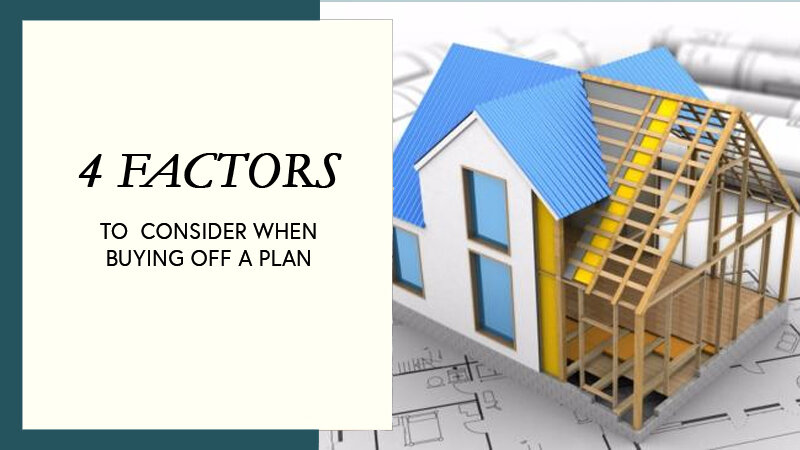
4 Key Factors to Consider When Buying Off a Plan
Thinking about buying a home off a builder’s plan? It can be a great idea to customize your dream home in ways you wouldn’t get when buying an already-built home. Here are 4 factors you should consider!
While real estate is a booming industry, finding your dream home today isn’t a walk in the park because there’s just a lot of considerations to make. One viable option to take is to buy off a plan, which entails signing a contract for a home purchase before it is even constructed. It’s an excellent opportunity to have your dream home built and designed. Besides, you can take advantage of the perfect location and good pricing out of a buy-off plan.
There’s a risk that comes with purchasing a house that doesn’t exist yet, however. For this reason, you need to perform due diligence before signing a contract. Here’s our guide to buying off a plan and what factors to consider:
1. Personal considerations
A buy-off plan takes about 12 to 18 months for the house construction to be completed before you can move in. Before signing a contract, assess yourself if you’re willing to wait. Also, there’s a huge difference between finding a newly constructed home and building a new house. The latter is a long-term process that has to meet your personal needs and wants. Hence, you have to assess if the contract is the right option for you and your family.
2. The right lender
Various lenders can fund your house construction, where their policies vary from one mortgage to another. While private institutions typically require you to have a 20 percent deposit, government ones may have no deposit at all but a high monthly contractual payment (MCP). For this reason, you have to shop around for the best lender that can finance your house construction. You also have to be highly critical of the loan with interest that will allow you to pay in the long run.
3. Your hired developer
As the developer plays a crucial role in helping you achieve your dream home, hiring the right one is imperative. Be sure to conduct research to look for prospects and do your homework. Check their portfolios to gauge their knowledge, skills, and level of expertise in real estate. Reach out to past clients to see how their services have been. From there, you can choose the right developer that can turn your home vision into reality.
4. The real estate market
Before buying off a plan, you must study and understand the current real estate in Davison, Michigan. Understanding the market is an integral part of your home-buying decision, particularly when it comes to location and pricing. It’s best to assess and project the value of your would-be property. Check if it’s the right time to buy off a plan too. When your realtor tells you so, go ahead and take the plunge.
Conclusion
Buying off a plan is an excellent option any homebuyer can take. To make the most of it, consider the four crucial factors outlined above—personal considerations, the right lender, hired developer, and the real estate market. With all these in mind, you’ll end up having the right house construction that you can, later on, call your—dream home!
Looking to buy off a plan for your dream home? Let our real estate experts help you every step of the way! We have a handful of homes for sale in Davison, Michigan, right at your disposal. Consider taking a look at Maple Creek Village, a growing subdivision of planned constructions!

5 Mistakes First Time Home Buyers Should Avoid
There is more to buying a house that picking out one with excellent curb appeal and hardwood floors!
The excitement of buying a first home can lead some people to make foolish decisions. Some people rush into the process without having enough information or making wrong assumptions about their capacity to buy. When you purchase a home, you want to make sure you are not taking on obligations that will become a burden to you.
Some people get caught up admiring cute cottages, Craftsman bungalows, or Mediterranean-style houses. They may have their heart set on four thousand square foot floor plans, four-car garages, and backyard pools before realizing the implications of such an investment. There is more to buying a house that picking out one with excellent curb appeal and hardwood floors.
Buying a home involves a lot of hidden fees. Without adequate awareness of the process, many homebuyers either become discouraged or proceed to take on unfavorable liabilities. If you do not have experience investing in real estate, read on to find out what mistakes first-time buyers should avoid:=
Mistake #1: Not doing homework
Purchasing your first house involves more than just paying for the amount on the price tag. What you have to know when you buy is that you not only pay for the house, you need to pay for mortgage fees, closing costs, realtor’s commission, and a slew of other fees. There is a wealth of information available online on these costs. You can even simulate your entire purchase process from viewing property prices, taking virtual tours, estimating costs with online mortgage calculators. Collect quotes and compare prices so you can make an informed decision.
Mistake #2: Buying beyond your budget
When you purchase a home, you have to consider it with your present capacity, not with your future potential to earn. Your house should be enough for what you have today, and when you have more money later, that is when you should consider purchasing a bigger home. Live within your means and don’t spend money that you do not yet have.
Mistake #3: Underestimating monthly expenses
No matter what house you want to buy, you have to think about the monthly expenses that come with maintaining it. Factor in your mortgage, your utility bills, and phone and cable bills. Don’t forget to consider your property taxes and insurance policies. You can pro-rate these items, so you know. If you don’t have enough excess income after deducting all these expenses to live comfortably, then perhaps consider buying a cheaper house or putting off the purchase until you can generate more income.
Mistake #4: Not conducting a thorough home inspection
Your mortgage lender or a third party inspector will conduct a review of the property you intend to purchase. Before you finalize a purchase, you should check that the home is in livable condition and that there are no serious safety concerns or quality issues. When you purchase something of substantial value, you want to make sure you are getting your money’s worth.
Mistake #5: Not working with an experienced real estate agent
First-time home buyers should work with a real estate agent. They can not only bring you several options of houses to choose from, but they can also help you negotiate prices to get you a better deal. A common mistake that many first-time buyers make is not bargaining enough. Most homes for sale have a floor price well below the advertised rate, and an agent can help you get closer to that and save you money in the process.
Conclusion
There are multiple steps in the journey to buying your first home. Take the time to do your research and understand the ins and outs of the process. You want your hard-earned money to go to the right investment. You also want to make sure that you don’t enter into a purchase that you will later regret.
Are you looking for houses for sale in Davison, MI? We can help you find the right place to call home. Get in touch with us today and see how our real estate experts can help you!

Our Guide to Making an Offer on Your Dream Home
Making an offer for your dream house is one of the most exciting times in your life. It’s also one of the most significant investments you will ever make, so you need to make it count. For a successful homebuying process, it mostly comes down to how prepared you are before you make an offer.
You’ve finally found your dream house, and now you’re ready to make an offer. It would be best if you didn’t rush into it, though; making an offer isn’t as simple as going to your agent. There is some prep work that must be done on your end to ensure that everything will go as smoothly as possible. In fact, you might lose out on the opportunity if you’re not careful.
To give yourself the best chances possible, here’s a guide (and a few tips) to keep in mind when you make an offer for your dream home:
1. Check Out Similar Properties In the Area
Before you place an offer, research first by checking similar properties in the area. Doing so will help you identify the price range of your dream house and whether or not the property that you’re eyeing is priced reasonably. Moreover, research will help you better understand the local market, which will help you feel more comfortable with your decision.
2. Prepare Your Documents and Finances
When you’re about to make an offer, make sure that you have your finances sorted out. You don’t want to scramble should the seller take you up on your offer. With your finances and documents in order, all you need to think about when the seller accepts your offer is the process of acquiring the legal documents of the property.
3. Negotiate the Price
Negotiating the price of the property is always worth trying. Don’t hesitate to offer lower than the asking price and negotiate from there. Your first offer must have some wiggle room. It’s also worth asking the seller to waive or pay for particular closing costs. If you’re paying in cash, you can use this as an excellent bargaining chip when placed against other offers.
4. Make the Offer
When you have finally done the prep work, it’s time to put up an offer. You can either call or go to your real estate agent’s office. It is better to have the offer in writing to ensure that everything’s recorded. Your agent will speak to the seller regarding your offer, and all you need to do is wait for the confirmation. Should the seller say no, you can either negotiate the selling price one more time or find a different house.
Conclusion
Making an offer for your dream house is one of the most exciting times in your life. It’s also one of the most significant investments you will ever make, so you need to make it count. For a successful homebuying process, it mostly comes down to how prepared you are before you make an offer.
Researching similar properties in the area is a great way to determine whether you’re getting the right price for the house or not. You should also ensure that you have all the documents and your finances ready beforehand.
Keep in mind that you can negotiate the price. Working with a reputable real estate agent can help you with this. That’s why it’s incredibly beneficial to find an agent you’re comfortable with so that all your needs are met.
Looking for your dream home in Davison, MI? Find your dream home today at Smith Street Homes! View our houses up for sale.

The Biggest Real Estate Trends for 2021 That Homebuyers Must Know
To help you find your dream home today, here are some of the biggest trends to take note of for the real estate industry.
With the Coronavirus disease (COVID-19) situation ongoing, the world has been shaken to its foundation—disrupting much of what we had previously considered normal. The global economy took a huge blow, simultaneously affecting all industries, thus leading to numerous closures and an overall loss of profit altogether.
Governments around the world are dealing with the situation, and although the threat is still very real, citizens all over are shifting back to a “normal” lifestyle. Now that the “new normal” has kicked the daily lives of everyone back up, it’s time to keep up with one of the biggest growing industries: real estate.
To help you find your dream home today, here are some of the biggest trends to take note of for the real estate industry.
Real Estate Trend #1. Real Estate Market Will Stabilize and Rise
The COVID-19 situation had kicked the rising trend of real estate in the gut and left it on its knees. With people scared of going out of their homes, finding a new place to live in was just about the last thing on their minds. Although there still remained a precious few buyers out there, even sellers stemmed their hard-sell tactics for the meantime.
Now that people are starting to become more aware of how to avoid the disease and are getting back out on the road, the real estate industry is starting to see a slow, yet steady rise in pricing. With the buyers back out, real estate providers are rising back into action to provide the need. Both personal and professional sellers are once again opening their property listings for sale—thus assuring that this year will end with market pricing hiking back to normalcy.
If you’re looking to find your dream house, then now is the time! With a majority of listings re-opening, the market is full of well-priced, yet exceedingly valuable options.
Real Estate Trend #2. Mortgage Rates Will Remain Low
To spice up the deal even further, the aftermath of the COVID-19 situation has lead to a severe drop for mortgage rates. While many blame the current situation for this, the truth is that things were already starting to dip even prior to COVID—going as low as it has ever been in seven years!
While hoping that it would dip to dirt-cheap rates is unfounded, it will definitely stay at the lower end for the rest of the year—dragging on to probably 2021. If you’re looking to take a housing loan, then now is the best time to do so, before the economy racks it up again!
Despite the low rates, however, it doesn’t mean that you should jump towards poor purchasing decisions. The best way to save money and still get your dream house is through prudence and planning—so still gun for that reasonable 15-year fixed-rate mortgage if possible. If you can’t as of the moment, then restructure your finances and check back in before the year ends.
Conclusion
With the trend as it is today, it’s showing to be the perfect time for buyers to find their dream home. With the market normalizing, the window for opportunity is ticking to a close, so search for the best deals out there today?
Are you looking for homes for sale in Davison, MI? Find your dream home today with us at Smith Street—get in touch with us and have one of our agents connect you with the home of your dreams.

Your Guide to Finding Your Dream Home
This guide will help put future plans and opportunities in perspective so that you and your household can finally call your new house a home!
Finding your dream home is more than just simply browsing through real estate. There are long-term family plans and the daily household routine that you need to consider. You may have to sort through changes as well, including major career opportunities or changing the family structure altogether.
The good news is that there are real estate experts who are always nearby and ready to guide you to your dream home. You will, however, need to do your own part by not adding further burdens or obstacles.
Your Guide to Finding Your Dream Home
This guide will help put future plans and opportunities in perspective so that you and your household can finally call your new house a home! You may also find yourselves better adapted to future situations whether it be about living in your new home or sorting through other challenges.
1. Being Firm on Financial Obligations
Your money situation is the first step to being a dream homeowner. Having all the savings ready to dive in to buy a new house may not be your current situation, and that’s okay! You can get a mortgage to sort your financial situation to get started.
One surefire way to bank a mortgage is by getting pre-approved. Getting a pre-approved letter means you have a legal agreement with your lender that indicates the price range of a home loan in your name. Remember that this may require having an excellent credit score or report to achieve. Getting pre-approved will secure your place in finding willing lenders that will help finance your dream house purchase.
You will need to also make sure that you don’t make any rash decisions based on your financial situation. This includes making a big purchase or jumping into new job opportunities that will pay off your mortgage. You must think about these things carefully because you haven’t even bought the home yet.
You need to be dead set on your goal, and making financial and career-defining changes will only further push your dream home purchase back. Remember to talk things over with your family or friends to help you control your finances.
2. Putting a Pause on Major Life Changes
Major life changes don’t only refer to your credit or money situation. Making rash decisions with your family will only be a step back in purchasing a new home. Family changes include both marriage and divorce. Both of these events are already pricey enough and will surely push your plans to buy a new house further back.
Another related major life change is when you consider a new job opportunity. Remember that these changes will take their toll, especially when you have to account for the change in documents that you need for the mortgage or the home plans in some instances.
3. Considering the Neighborhood of Your Dream Home
You have already been warned about the effect of not planning ahead or making rash decisions when it comes to purchasing your dream home. You will also need to consider that the neighborhood meets your standards. Part of the dream, after all, will be enjoying the neighborhood in the long run.
You might have to make changes that you weren’t ready for, such as adapting to the weather or the long drive to essential stores because you didn't consider the neighborhood. Remind yourself and your real estate agent about the importance of this step in order to truly enjoy your dream home to the fullest.
Your Guide to Finding Your Dream Home
Conclusion
You can be a successful homeowner of paradise if you properly look into the kinds of homes you will be purchasing. Remember that accounting for the price tag of any home requires you to plan ahead and to have foresight into any expenses that you have not accounted for. Make sure that a genuine team or support system is also by your side to make sure that your dream house is a real estate reality!
Looking for houses for sale in Davison, MI? Smith Street Homes is your team for getting started into buying and even building your dream home! Get in touch with us today.

5 Signs to Tell You've Found your Dream Home
If you are a first-time homebuyer, you might think that your dream house needs to tick all the boxes of your checklist. However, once you find your dream house, sometimes that checklist won't even matter anymore because you may already have more than you need.
For many people, finding their dream home is a priority. Usually, the characteristics of the house and the layout are the deciding factors. However, it's also common to compromise on some aspects of the house if it means having a bigger payoff.
If you are a first-time homebuyer, you might think that your dream house needs to tick all the boxes of your checklist. However, once you find your dream house, sometimes that checklist won't even matter anymore because you may already have more than you need.
In this article, we will share five signs that tell when you've found already your dream home:
Sign #1: Your instincts will tell you
While it may seem too vague, your instincts or gut feeling will provide you with a sense of contentment and excitement once you enter your dream house. As soon as you step through the door, your gut feeling will tell you whether or not the house is perfect for your family.
Sign #2: You won't notice the flaws at first glance
Unless you're nitpicking, you know it's your dream home when you don't notice any shortcomings the first time you enter the house. It's unlike any other viewings you've had where you immediately get turned off by the worn-out cabinets or faded ceilings. Essentially, you know you have found your dream home if you don't lose interest when finding out about the dealbreakers of the house. You're also willing to overlook its flaws and know that they can be fixed shortly.
Sign #3: You don't want to view other houses anymore
As with anything, searching can be a tedious process, and it's common to just settle with something when you get exhausted. However, it's a little different when it comes to looking for the perfect house. When you finally find your dream home, you’ll find yourself thinking about it and thinking about the possibility of someone else buying the house. You know it's your dream home if other houses in online listings don't appeal to you as much as this certain house.
Sign #4: You are envisioning you and your family living there
One of the greatest feats of the human mind is the ability to imagine and visualize, and it also helps in terms of decision-making. If you're already thinking about your future life in this house and you can imagine how happy that life will be, chances are high that it is your dream home.
Sign #5: You are already thinking about decorating the home
Personal belongings and decorations are what bring personality to the home. If you're thinking about specific designs for this house, or how you want the layout to be, you know this is the perfect house for you.
It's difficult to imagine designs for a house you wouldn't want to live in. However, if you're able to do so and are excited to put the work in, look no further because this house will be the perfect home for you!
Conclusion
Looking for one's dream house is often thought to be impossible, but that's actually quite the opposite. Also, many people think the perfect house needs to be perfect in all its aspects. However, it only needs to be appealing to you for it to be considered a dream home. Once you observe the signs mentioned above when viewing a house, don't wait any longer and grab the chance as soon as possible.
If you want to find your dream home today, you can talk to our real estate experts in Genesee County. We will help you at every step of the way, from finding a home till you move in. Get in touch with us today to see how we can help!

The U.S. Real Estate Market During COVID-19
An update on the prospects of buying or selling a home during COVID-19.
The U.S. Real Estate Market During COVID-19
As COVID-19 continues to work it’s way around the world and our country, the US real estate market has slowly been regaining its footing. While not being at an electric growth rate throughout, much progress has already been made — prices are rising and inventory, despite its significant challenges (keep reading), is rebounding.
The housing market reached its lowest point in mid-April and May’s home data demonstrates that the US housing market is struggling in volume, but the worst has passed. The struggle to remain afloat amid the challenges brought by the pandemic has been difficult to navigate, but current pricing trends now suggest that the market is gaining momentum.
Unfortunately, the trends also indicate that while the market is trending upward, it’s going that direction rather slowly. If you’re looking to invest in properties now, here’s a quick look into the current real estate market situation:
The National Housing Market’s current state
The global economy is far from steady and has been directly impacting the national housing market. The momentum gained by the real estate market now is likely because of people that have been shopping over quarantine and lockdown periods through online methods.
Now that the lockdown regulations have been eased, people are out looking for homes. Experts further said that the market rebound is happening in part due to the general public’s motivation to end quarantine and lockdown on their own.
Mortgage rates have dipped considerably, so homeowners that are looking to refinance: now is a good time! Given the dip in mortgage rates, there are home buyers that are empowered to look at and purchase homes that may have been financially out of reach pre-COVID.
Homebuyers are determined to pursue the real estate market
As previously mentioned, homebuyers are determined now more than ever to pursue their housing dreams. They remain unfettered by the pandemic and economic downturn, courageously navigating the real estate market over the last two weeks of May.
According to the Realtor, the number of mortgage applications for home buying has increased by a whopping 17.5 percent. Unfortunately, with little to no inventory available, house prices will continue to increase. This leads to a more competitive market for buyers, and for sellers, it means that your selling price can rise!
The Inventory Issue
Given the state of the economy and your home being a major asset for the homeowner, it’s been deemed unwise to sell your biggest asset at a time of such uncertainty. With the vocational future of many homeowners looking unstable as well, a home in your portfolio gains even more financial and sentimental value.
With the ongoing inventory shortages, experts warn that home prices will continue to climb. While the appetite for real estate has returned, realtors now face an even bigger challenge — meeting consumer demand.
Inventory at the end of May suggests that it has started to recover, but the sudden increase in demand has once again led to a decline. We believe that significant economic and job increases will be required before supply/demand levels regain a normal balance.
Beyond the COVID-19 pandemic
While the numbers still look grim, the past few weeks of progress means that the US real estate market is showing signs of life toward recovery. While the lockdowns and quarantines may have caused homes to sell more slowly, the sheer determination of the public to move homes has allowed blown life into the embers.
For both buyers and sellers, here’s our encouragement: remain optimistic! There are enough of each of you that given enough time, we can still help you sell or buy your dream home. For many that have remained stable during COVID-19, the time may be now!
Conclusion
Due to the decrease in inventory and spring low-point, owning a home in the United States continues to be an appreciating asset despite the pandemic. In May the median listing price surged to a record of $330,000according to Realtor.com, a 1.6% increase YOY.
While inventory shortages are an issue that pushes homes to sell more slowly, prices have begun rising again. With mortgage rates lower than some of us have ever seen and prices rising, now is the time to buy!
Get in touch with us at Smith Street Homes! As real estate experts of Genesee County, we’ll make things happen for you—contact us today!